
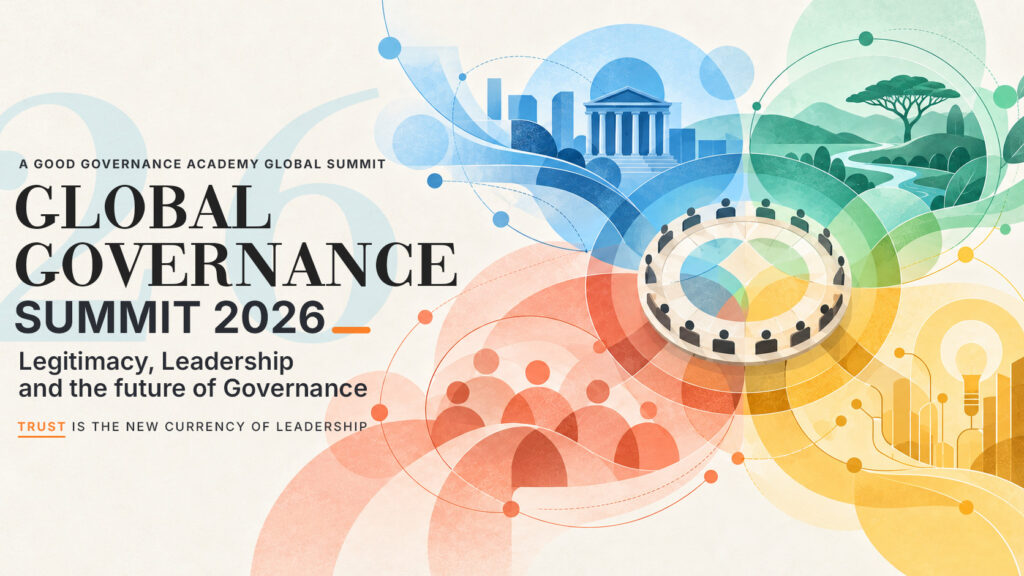
At a time when institutions are being tested by technological disruption, economic uncertainty, social fragmentation and declining public confidence, credible leadership has never mattered more.
The Global Governance Summit 2026 brings together governance thinkers, academics, business-school leaders and practitioners for an important global conversation about the foundations upon which trusted institutions are built.

About the Webinar
Trust is not simply a reputational asset. It is the foundation through which leadership earns legitimacy, institutions retain authority and governance becomes credible in the eyes of those it is intended to serve.
Yet trust cannot be claimed through purpose statements, policies or compliance structures alone. It must be demonstrated through the quality of decisions, the conduct of leaders, the strength of institutions and the willingness of those in authority to remain accountable for their actions.
The Global Governance Summit 2026 will explore how organisations and institutions can build and sustain legitimacy in an era characterised by low trust, rapid technological change, growing public scrutiny and increasingly complex systems.
Under the theme Legitimacy, Leadership and the Future of Governance, the Summit will examine the relationship between trust, responsible leadership and institutional credibility. It will consider the role of governance in helping organisations move beyond formal compliance towards practices that generate confidence, accountability and sustainable value.
The programme combines a major opening keynote, a journal and research showcase, three parallel research streams and a closing plenary. Together, these sessions will connect leading governance thought with emerging academic research and the practical realities facing boards, institutions, business schools and public systems.
An Established Global Conversation
The Global Governance Summit is the continuation of an international series created to confront the governance questions that carry consequences far beyond any single organisation, profession or country.
The inaugural summit in 2021, Good Governance for 21st Century Organisations, brought together Professor Mervyn King, Professor Bob Garratt and Peter Dey for a global conversation about the future of governance. It also marked the launch of ISO 37000, the first internationally agreed standard providing guidance for the governance of organisations.
The second annual summit, held in 2022 under the question Where Are We and Where Do We Need to Go?, gathered governance experts from different regions and fields to assess the state of governance internationally and identify the priorities that should shape the years ahead.
In 2024, the third annual summit turned its attention to ethics and technological transformation. The Global Ethics and Technology Summit examined the responsibilities of leaders and governing bodies as digital, biological and physical systems increasingly converge. It asked not only what technology enables organisations to do, but what responsible leaders should choose to do.
The fourth annual Global Governance Summit carries that conversation forward.
In 2026, the focus turns to legitimacy: how it is earned, how it is lost and how leaders can govern responsibly when confidence in institutions can no longer be taken for granted.
The Value of the Global Governance Summit
Governance is often discussed within the boundaries of individual organisations, industries or jurisdictions. The challenges facing today’s leaders, however, rarely remain within those boundaries.
Technological decisions create social consequences. Institutional failures weaken public confidence. Organisational cultures affect accountability. Public-sector reforms influence economic development. The decisions made inside boardrooms can shape the wellbeing of communities far beyond them.
The Global Governance Summit creates a shared international forum in which these interconnected challenges can be examined across disciplines and perspectives.
Its value lies in bringing together:
- Established governance thinkers and institutional leaders
- Business schools and international education networks
- Academic researchers and journal contributors
- Board, risk, ethics and governance practitioners
- Public-sector and organisational leaders
- Emerging thinking from different regions of the world
The Summit provides a bridge between scholarship and practice. It places emerging research alongside the experience of people working directly with boards, institutions, business schools and public systems.
Rather than treating governance as a static collection of rules, the Summit examines it as a living responsibility: the work of directing organisations, exercising authority, making difficult decisions and remaining accountable for their consequences.
The result is a conversation that is global in reach, grounded in credible research and connected to the real decisions confronting today’s leaders.
In Collaboration With
Summit Speakers
Colette Crichton
Head of Governance Solutions, Good Governance Academy
Welcome and Opening
Colette Crichton works with boards and organisations to strengthen governance capability, board effectiveness and the practical application of meaningful board evaluation.
As Head of Governance Solutions at the Good Governance Academy, she supports conversations that move governance beyond structures and compliance towards stronger judgement, collective capability and organisational performance.
Colette will welcome participants and formally open the Global Governance Summit 2026.

Professor R. Garratt
External Examiner, GCC Board Directors Institute
Opening Keynote Speaker
Professor Bob Garratt is an internationally recognised corporate governance specialist, company director, consultant and academic. A self-described “pracademic”, he works across board evaluation and development, organisational learning, strategic thinking and corporate governance.
His international advisory experience spans major corporations, family businesses, state-owned enterprises, regulators, governments and not-for-profit organisations, including engagements with the International Monetary Fund, South Africa’s Public Investment Corporation and the Saudi Arabian Monetary Authority.
He is a Founder Member of the Commonwealth Association for Corporate Governance and has held academic roles at leading institutions in the United Kingdom and South Africa.
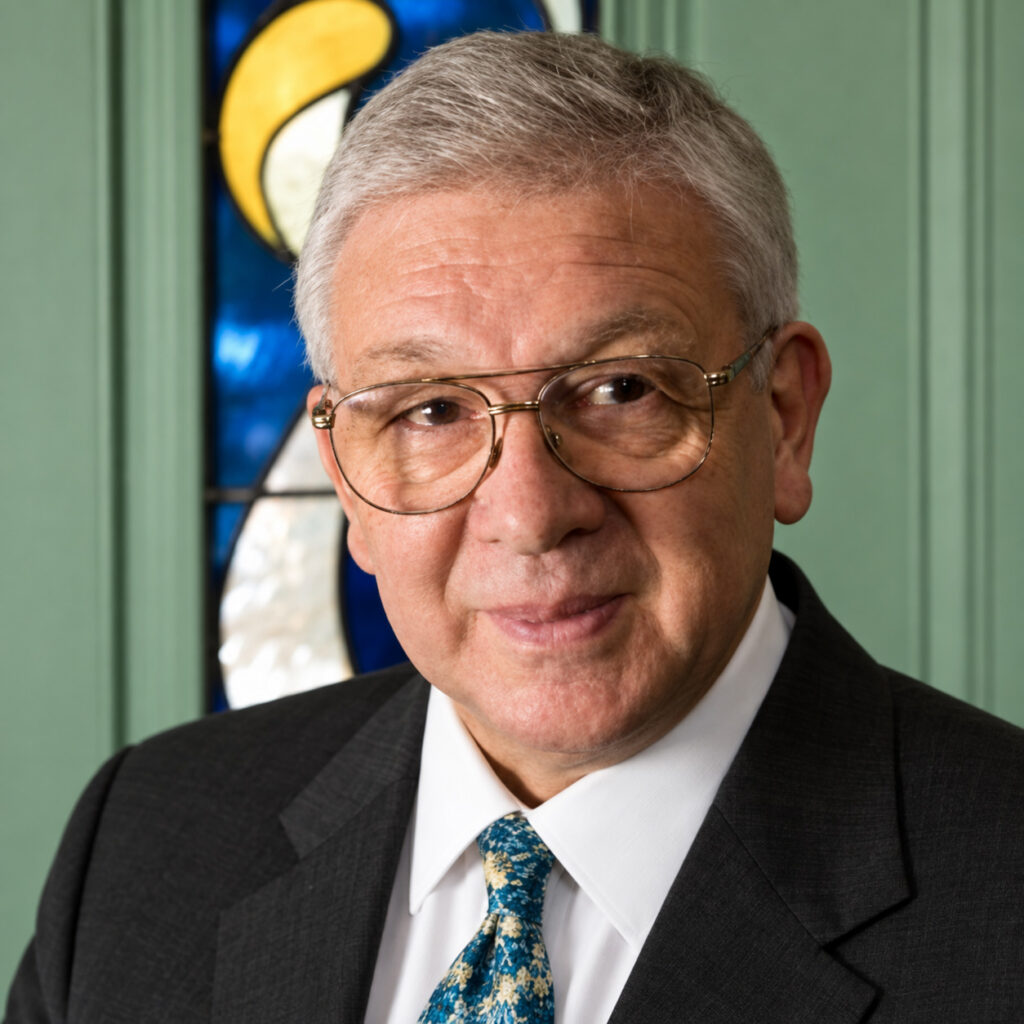
Dr Lindie Grebe
Head of Department, Accounting Sciences, Akademia
Journal and Research Showcase Introduction
Dr Lindie Grebe is a Chartered Accountant, Head of Department at Akademia, has served as coordinator of Master’s and Doctoral Degrees, as chair of a research ethics committee, as chair of the Gauteng North Region of the Southern African Accounting Association, and is a founding editorial board member of the Advances in Corporate Governance Journal.
Before entering academia, Dr Grebe gained ten years of experience in audit practice and commerce.

Professor Piet Naudé
Associate Director, EFMD Programme Accreditation and Director, EDAF
Closing Plenary Speaker
Professor Piet Naudé is an internationally recognised scholar of business ethics and a former Director of Stellenbosch Business School.
His work examines ethics in relation to business, economics, politics, leadership and management education. He currently serves as Associate Director of EFMD Programme Accreditation and Director of EFMD Deans Across Frontiers.
Professor Naudé will bring the Summit’s keynote, research streams and institutional perspectives together in a closing reflection on the responsibilities of leadership in an increasingly fragmented world.
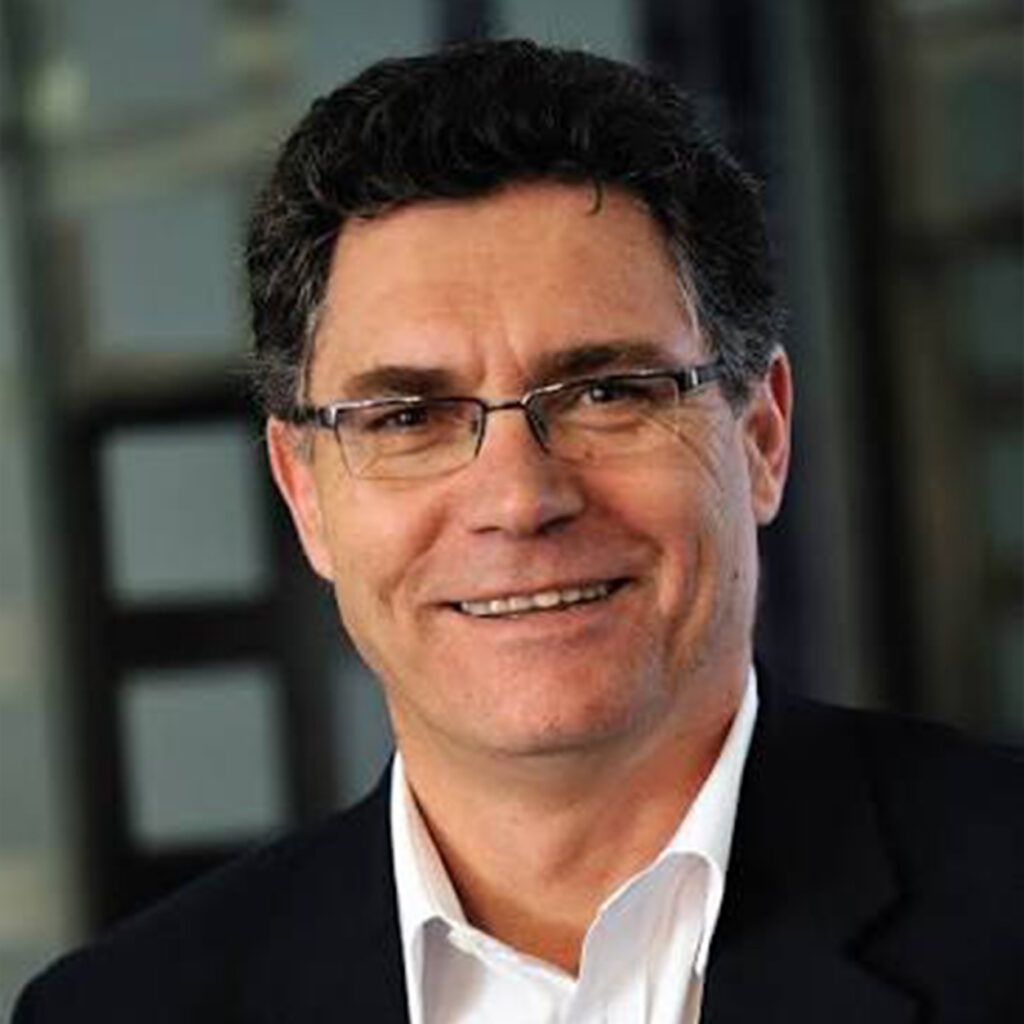
Anne Wilson
Executive Director, South African Business Schools Association
Closing and Thanks
Anne Wilson represents the South African Business Schools Association in its work to strengthen collaboration across the country’s business schools and advance the role of responsible management education in society.
She will join Dan LeClair in formally closing the Global Governance Summit 2026.
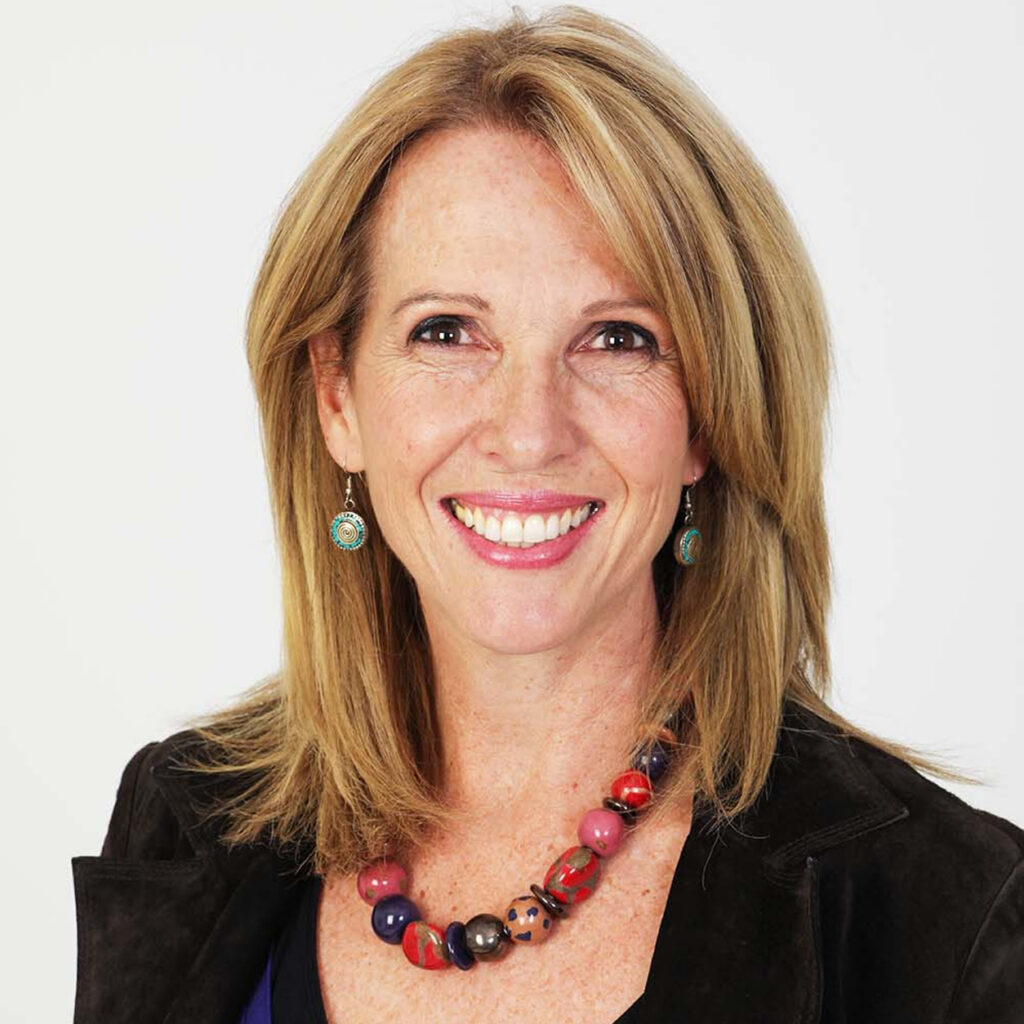
Dan LeClair, PhD
Chief Executive Officer, Global Business School Network
Closing and Thanks
Dan LeClair is Chief Executive Officer of the Global Business School Network and an internationally recognised thought leader in management education.
Before joining GBSN, he held several executive leadership roles at AACSB International, including Chief Strategy and Innovation Officer, Chief Operating Officer and Chief Knowledge Officer.
He has played a leading role in international initiatives advancing responsible management education and has written and spoken extensively about innovation, collaboration and the changing responsibilities of business schools.
Moderators

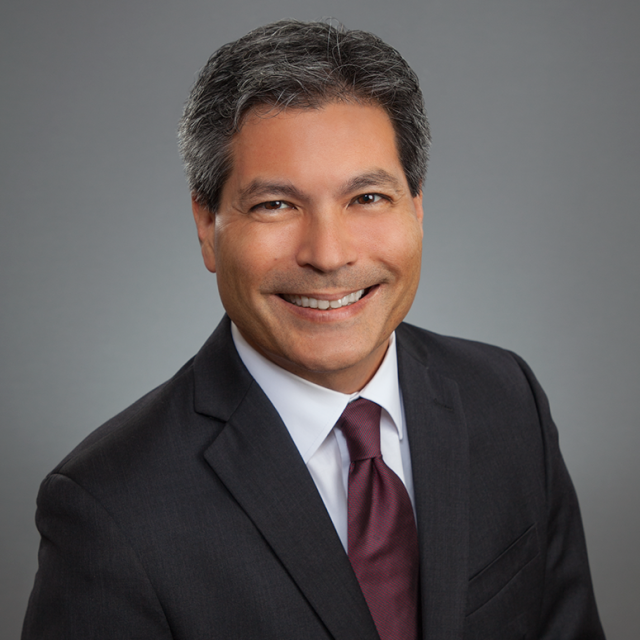
Dr Mehdi Bouchetara
Higher National School of Management, Algeria
Moderator: AI, Agency and Systemic Risk
Dr Mehdi Bouchetara is an academic and researcher whose work spans finance, financial inclusion, banking risk, audit, regulation and the governance implications of emerging technologies.
His research brings together financial and economic analysis with questions of institutional development, risk management and responsible innovation.
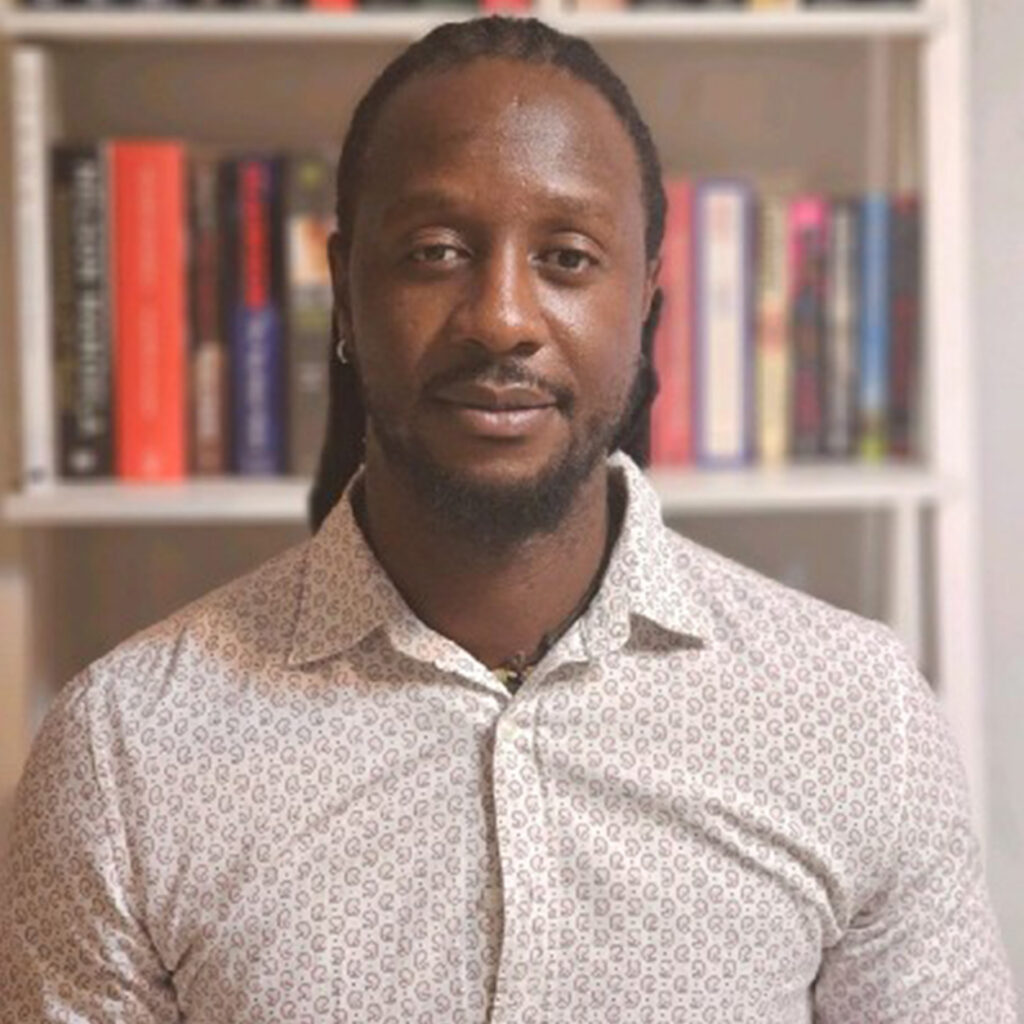
Dr Neville Mangwiro
Governance, Social Investment and Research Specialist
Moderator: Culture, Systems and Accountability
Dr Neville Mangwiro is a specialist in philanthropy, social investment, research, monitoring and evaluation.
His work across Africa encompasses corporate social investment, evidence-based decision-making, stakeholder engagement, governance, sustainability and the measurement of social impact.
He holds a PhD in Philanthropy and Social Investment in Africa from the University of the Witwatersrand and is Co-Founder and Director of Impact in Action Africa.
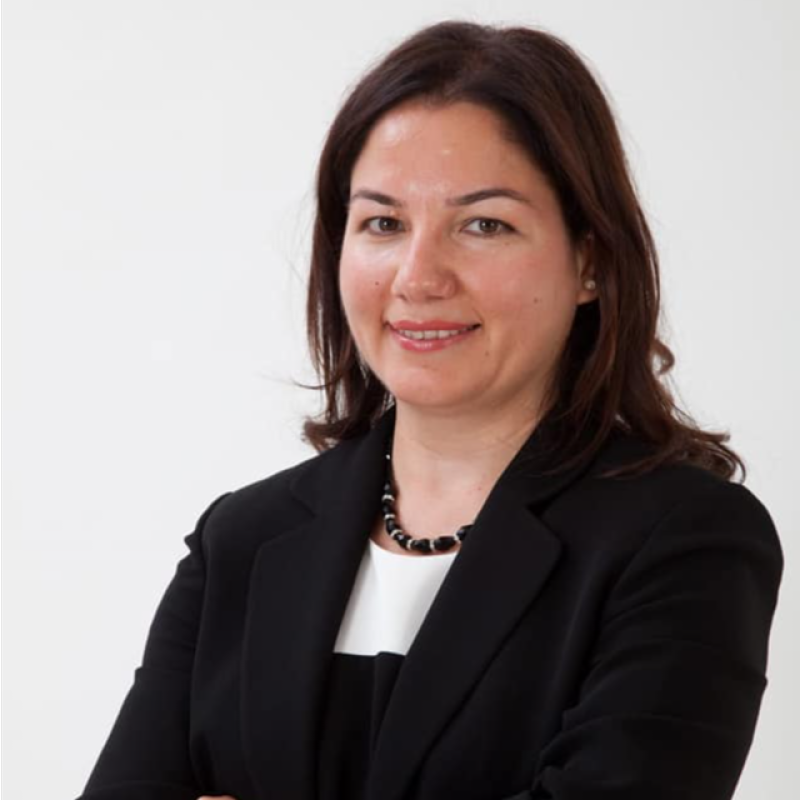
Professor Sezer Bozkus Kahyaoglu
Professor of Finance, İzmir Bakırçay University
Moderator: Boards, Procurement and Reform
Professor Sezer Bozkus Kahyaoglu is an Associate Professor of Finance at İzmir Bakırçay University and an academic associate of the University of South Africa and the University of Johannesburg.
Her research interests include applied econometrics, financial markets, artificial intelligence, blockchain, sustainability, corporate governance, risk management, fraud accounting, auditing and ethics.
She is also a member of the Good Governance Academy Research Forum Steering Committee.
Research Presenters
Matthias Muhlert
Author, Researcher and Group Chief Information Security Officer, Oetker-Group
Matthias Muhlert’s work brings together systems thinking, philosophy of mind, institutional design, artificial-intelligence governance and social theory.
He serves as the German Ambassador for the European Cyber Security Organisation, is a Board Member of its Users and Operators group and chairs its CISO Community. He has held senior information-security roles across several major international organisations.
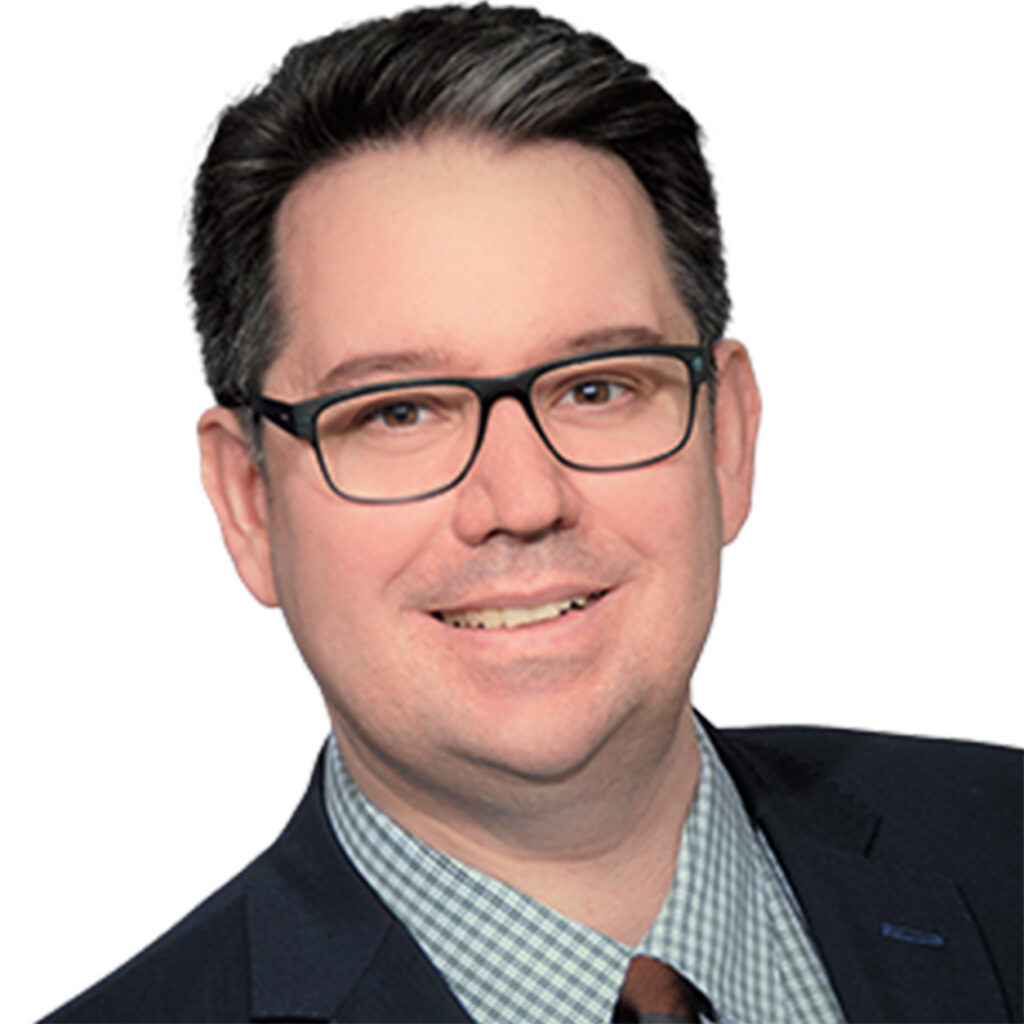
Tural Salmanov
Innovation Strategist, Business Analytics Professional and Doctoral Researcher
Tural Salmanov is a strategy, innovation and business analytics professional and a doctoral candidate in Business Administration at Beykent University.
He serves as Leading Innovation Strategist at Azercosmos, where he works across strategic innovation, startup incubation, acceleration programmes and investment planning for the space sector. He is also a Venture Analyst at Divida Angel Club.
His research interests include corporate governance, artificial intelligence, fraud detection, innovation and emerging organisational models.
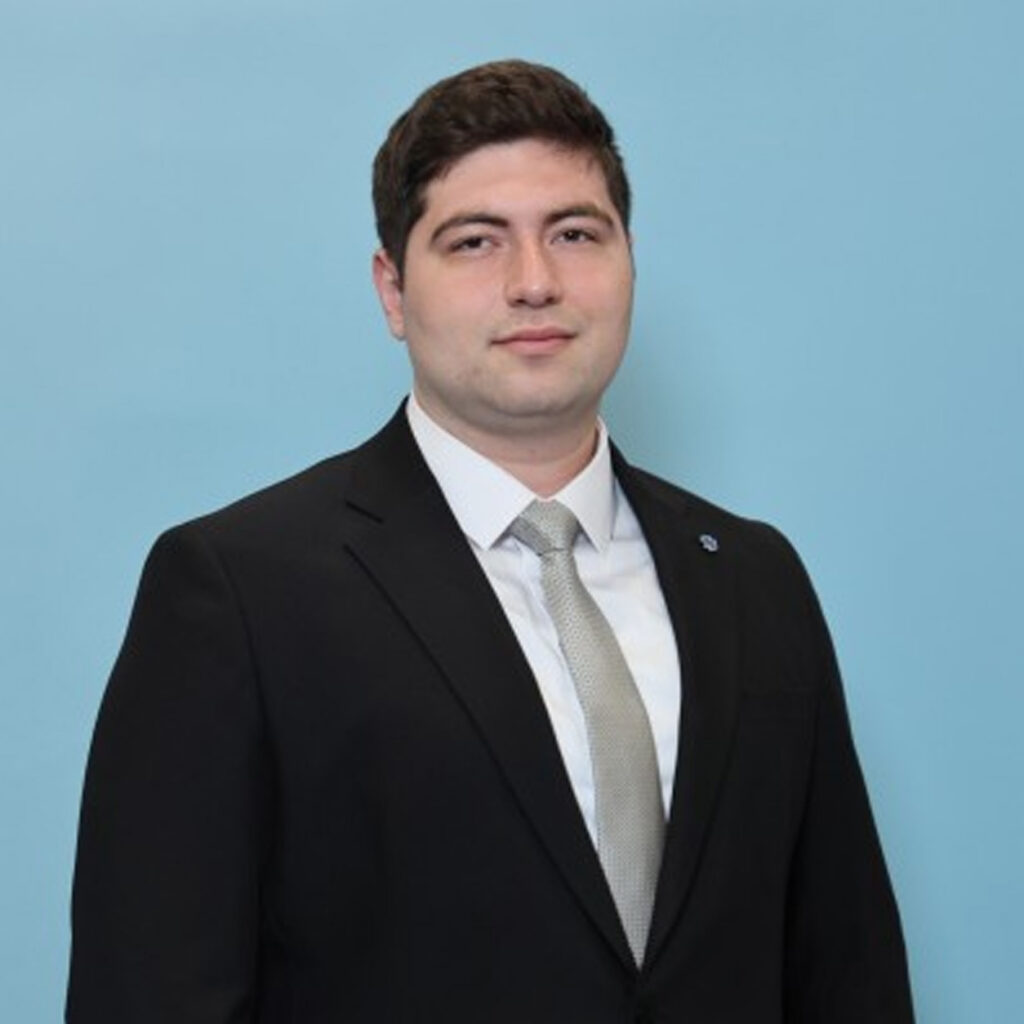
Perrin J.G. Carey
Founder and Chief Executive Officer, CoSteer
Perrin Carey is the Founder and Chief Executive Officer of CoSteer and a Fellow of the International Compliance Association.
He is a published author in governance and complexity, a lead researcher in organisational governance systems and culture with the Good Governance Academy and a member of the ESG Exchange Governance Group’s Technical Committee.
He created GovQ+, a human-focused governance intelligence and assessment platform.
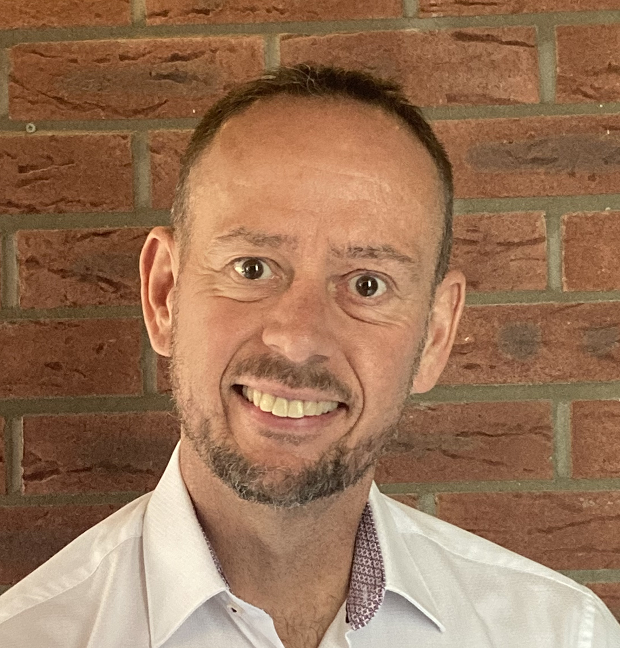
Dr Mzukisi Matandabuzo
Research Team Manager, Agricultural Research Council
Dr Mzukisi Matandabuzo is Research Team Manager of Analytical Services at the Agricultural Research Council’s Animal Production Institute.
He holds a PhD in Environmental and Analytical Chemistry from the University of KwaZulu-Natal and an MBA from Regenesys Education.
His experience spans analytical science, academic supervision, organisational culture and good governance within public entities.

Dr Ernest K. Mutenda
Public-Sector Governance, Ethics and Performance-Management Practitioner
Dr Ernest K. Mutenda is a governance, ethics and performance-management practitioner and researcher with more than 18 years of experience in South African local government.
He holds a PhD in Operations Management from the University of Johannesburg and is a Certified Ethics Officer.
His work focuses on ethics institutionalisation, integrity management, public accountability, anti-corruption, state-owned-enterprise governance and sustainable public procurement.
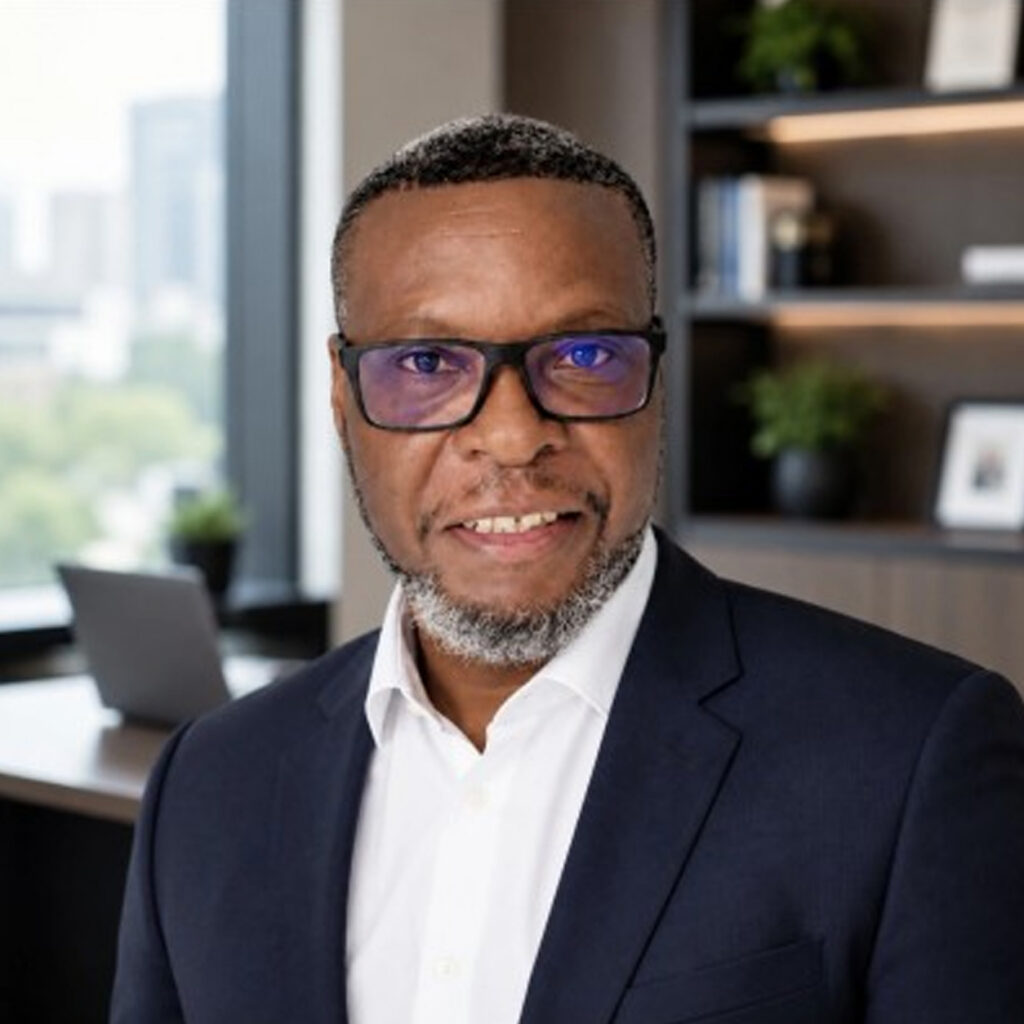
Dr Lawrence M. Mojaki
Public-Procurement Strategist and Transformative Leader
Dr Lawrence M. Mojaki is a public-procurement strategist and transformative leader with more than 18 years of experience in supply-chain management.
His academic background encompasses logistics management, operations, business administration and a PhD in Economic and Management Sciences.
His work focuses on aligning procurement with performance, governance and innovation, including the use of artificial intelligence, blockchain and big-data technologies to create agile, compliant and value-driven procurement ecosystems.
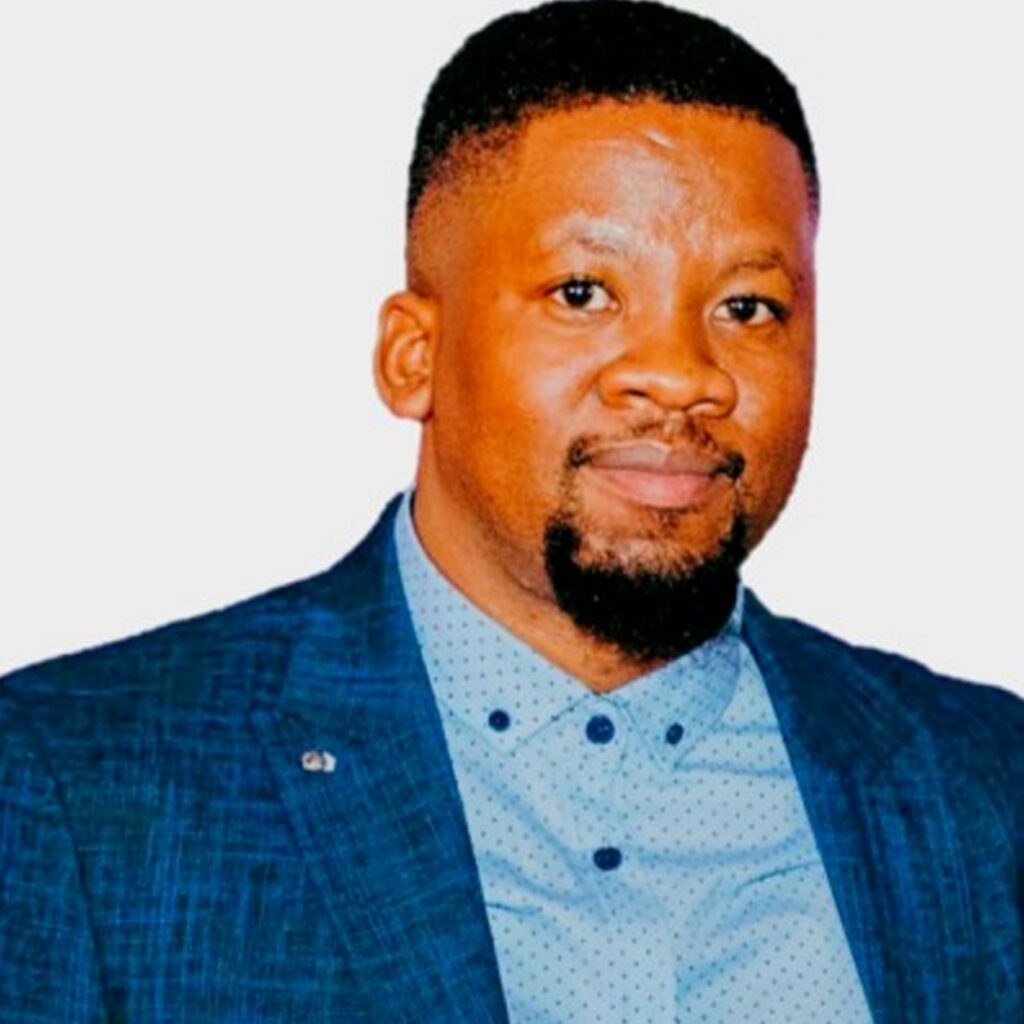
Be Part of the Global Conversation
The future of governance will not be determined by structures and standards alone. It will be shaped by the quality of leadership, the credibility of institutions and the willingness of those entrusted with authority to earn and sustain the confidence of the people they serve.
Join governance thinkers, researchers, educators and organisational leaders from around the world for the fourth annual Global Governance Summit.