
About this Webinar
Artificial intelligence is becoming embedded across organisational systems, workflows and decision-making processes. As its capabilities grow, boards need to consider not only what AI can do, but how it may influence human judgment, accountability, stakeholder trust and the quality of organisational decision-making.
In this webinar, Mante Molepo and Dr. Somto Mbelu explore the ways AI can affect independent judgment through personalisation, sycophancy, automation bias, overreliance and disinformation. They examine the governance risks these issues create for organisations and why meaningful human oversight must remain central to the use of AI.
The discussion also moves into practical board-level action: understanding where AI is being used, assessing risks and controls throughout its lifecycle, establishing clear policies and accountability structures, enabling people to challenge AI-informed decisions, and building ongoing AI literacy across the board and workforce.
This is a practical conversation for directors, governance professionals and organisational leaders looking to make responsible use of AI without outsourcing the responsibility to think, question and decide.
What You’ll Learn
By the end of this webinar, participants will be able to:
- Understand how AI systems can influence human judgment, decision-making and stakeholder behaviour.
- Identify governance risks associated with AI, including bias, misinformation, manipulation and overreliance on automated systems.
- Recognise the board’s role in overseeing AI-related risks, accountability and organisational trust.
- Apply practical governance questions and oversight strategies to support the responsible use of AI.
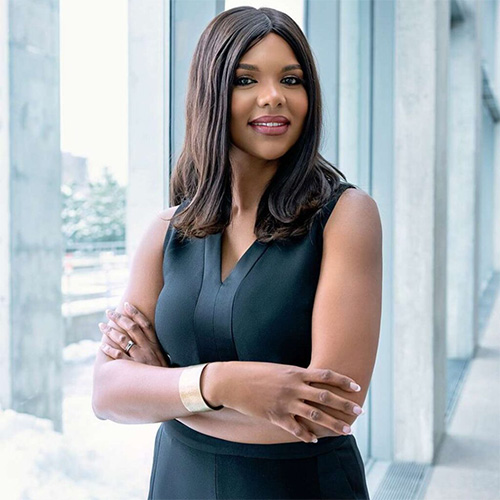
Mante Molepo
Mante Molepo is the Founder and CEO of Mante Molepo Consulting and a lawyer, governance advisor, educator and speaker.
She works with boards and senior leaders to strengthen governance practices, manage strategic and reputational risk, and navigate emerging challenges associated with artificial intelligence. Her work focuses on helping organisations balance innovation with accountability while maintaining stakeholder trust and organisational integrity.
Dr. Somto Mbelu
Dr. Somto Mbelu works at the intersection of AI ethics, policy, digital health, governance, compliance, risk, finance and business.
With a background in philosophy and ethics, he recently completed a PhD in AI Ethics at Erasmus University Rotterdam. His work focuses on translating principles of fairness, accountability and inclusion into practical governance frameworks, policy strategies and responsible approaches to technology.
He is the founder of the Ottawa Responsible AI Hub and convener of the Ottawa Responsible AI Summit.

Join The Conversation
As artificial intelligence becomes more influential across organisations, effective governance will require boards to understand not only what these systems can do, but how they can influence the people who rely on them.
Join us on Thursday, 10 September at 15:00 SAST to explore how boards can strengthen AI oversight while keeping human judgment at the centre of decision-making.